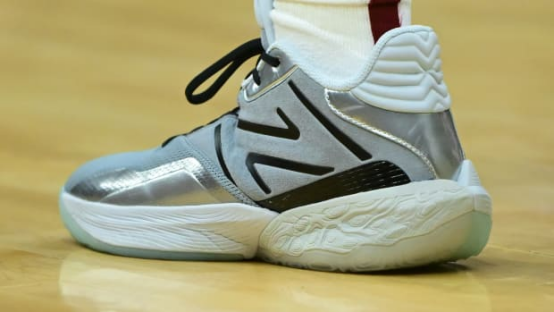
Elite Sports Equipment & Athlete Synergy: Technical Innovations Driving Performance
The Intersection of Athlete Performance and Advanced Equipment
The modern sporting arena is defined not only by the physical prowess of its athletes but by the sophisticated engineering of the equipment they wield. Whether on the rapidly growing courts of professional pickleball or the hardwood floors of the NBA, the synergy between an athlete and their gear dictates the margins of victory. This intersection represents a multi-dimensional ecosystem where material science, biomechanics, and strategic brand marketing converge.
Professional athletes operate at a level where microscopic adjustments in weight distribution, friction coefficients, and energy return can drastically alter career trajectories. Consequently, sports equipment manufacturers invest millions into research and development, transitioning from rudimentary designs to aerospace-grade materials. This evolution is perfectly encapsulated by two distinct yet parallel narratives: the absolute dominance of carbon fiber in professional pickleball and the transformative 18-month partnership between NBA point guard Darius Garland and New Balance.
Material Science as a Competitive Advantage
At the core of this revolution is material science. The transition from traditional wood or fiberglass to advanced composites like Toray T700 carbon fiber has fundamentally rewritten the rules of engagement in racket sports. Simultaneously, in the realm of basketball footwear, proprietary foam blends and kinetic stitching have replaced standard rubber and leather, offering unprecedented dynamic support.
- Energy Optimization: Advanced materials absorb negative kinetic energy (vibration) while maximizing positive energy return, reducing athlete fatigue over extended periods of play.
- Micro-Targeted Customization: Professional gear is now engineered to complement specific playstyles, such as a point guard’s lateral quickness or a pickleball player’s top-spin baseline drive.
- Psychological Confidence: Beyond physical metrics, wielding state-of-the-art equipment provides a quantifiable psychological edge, allowing athletes to execute high-risk maneuvers with absolute trust in their gear.
Understanding the technical secrets behind these innovations requires a deep dive into the specific mechanics of the equipment. By isolating the structural advantages of carbon fiber paddles and the biomechanical support systems of elite basketball sneakers, we can decode the blueprint of modern athletic dominance.
Technical Secrets of Carbon Fiber Pickleball Paddles
In the professional pickleball circuit, carbon fiber paddles have achieved a near-monopoly. Unlike amateur players who might prioritize cost-efficiency or aesthetic appeal, professionals exclusively demand the precise structural benefits that only raw carbon fiber can provide. The transition to this aerospace material is driven by three critical performance pillars: surface friction, sweet spot expansion, and vibration dampening.
The Mechanics of Raw Carbon Fiber Grit
The most defining characteristic of a professional-grade carbon fiber paddle is its surface texture. Manufacturers utilize a peel-ply process to expose the raw carbon weave, creating a microscopic, sandpaper-like grit. This texture is engineered to grip the plastic surface of a pickleball upon impact, allowing players to generate immense rotational velocity (spin) without sacrificing forward momentum.
When a professional executes a third-shot drop or an aggressive topspin drive, the dwell time—the fraction of a second the ball remains compressed against the paddle face—is extended by the carbon weave. This increased dwell time translates directly into enhanced directional control, enabling players to shape their shots with mathematical precision.
Core Synergy: Honeycomb Polypropylene and Carbon Faces
A paddle’s performance is not dictated by its face alone; it is the synergistic relationship between the rigid carbon fiber exterior and the internal core. Most elite paddles utilize a high-density polypropylene honeycomb core, typically ranging from 14mm to 16mm in thickness.
- 14mm Cores: Preferred by singles players, these thinner cores provide a stiffer response, translating to explosive power and faster hand speed during kitchen firefights.
- 16mm Cores: The standard for professional doubles, the thicker core absorbs impact energy, drastically expanding the paddle’s sweet spot and providing superior touch for delicate dinks and resets.
The rigidity of the carbon fiber face prevents the paddle from flexing unevenly upon off-center strikes. This structural integrity minimizes twist weight, ensuring that even when a ball is struck near the edge guard, the paddle remains stable in the player’s hand, preventing unforced errors.
Comparative Analysis: Carbon Fiber vs. Traditional Materials
To fully grasp why professionals have abandoned older technologies, we must examine a direct comparison of material properties.
| Material Type | Spin Generation | Durability | Vibration Dampening | Professional Adoption Rate |
|---|---|---|---|---|
| Wood | Extremely Low | High | Poor | 0% |
| Fiberglass | Moderate | Moderate (Prone to dead spots) | Average | 5% (Mostly transitional players) |
| Raw Carbon Fiber | Maximum (Peel-ply texture) | Extremely High (Maintains grit) | Superior | 95%+ |
This data clearly illustrates that carbon fiber is not merely a trend, but a necessary technological baseline for anyone competing at the highest echelons of the sport.
The Impact of Athlete Endorsements: Darius Garland and New Balance
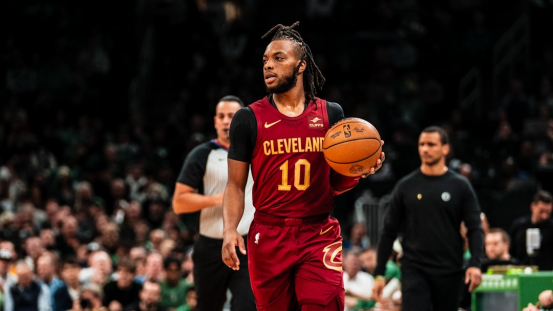
While the technical specifications of equipment are vital, the commercial and cultural impact of that equipment is driven by the athletes who wear it. The 18-month partnership between Cleveland Cavaliers All-Star point guard Darius Garland and New Balance serves as a masterclass in how a carefully curated sneaker endorsement can trigger a monumental brand leap for both the athlete and the manufacturer.
The Strategy Behind the 18-Month Brand Leap
When Darius Garland signed with New Balance, the brand was already in the midst of a strategic renaissance within the basketball sector. Moving away from mass-market saturation, New Balance focused on acquiring highly specific, culturally resonant athletes. Garland, known for his unpredictable shiftiness, elite court vision, and smooth aesthetic, perfectly embodied the brand’s new performance ethos.
Over the course of 18 months, New Balance did not simply hand Garland a generic shoe; they integrated him into the development and marketing of the TWO WXY franchise. This footwear line is specifically engineered for positionless basketball, utilizing FuelCell cushioning to provide the explosive energy return required by a point guard who relies on sudden decelerations and lateral bursts.
Biomechanical Alignment and Footwear Technology
For an NBA player, sneakers are the equivalent of a race car’s tires; they are the sole point of contact with the playing surface. Garland’s game demands footwear that can withstand extreme torsional stress. The New Balance sneakers he champions feature a dual-density midsole, combining the plush impact protection of ABZORB foam in the heel with the propulsive bounce of FuelCell in the forefoot.
- Kinetic Stitching: The upper construction of Garland’s preferred models utilizes kinetic stitching, which provides targeted support exactly where the foot experiences the most outward pressure during a crossover, without adding unnecessary weight.
- Traction Mapping: By studying Garland’s specific footwork patterns, the outsole traction is mapped using algorithmic data to ensure maximum grip during high-angle pivots.
This level of biomechanical alignment ensures that the footwear actively enhances Garland’s performance, validating the brand’s technological claims on the world’s biggest stage.
How Elite Gear Influences the Future of Sports Branding
The synthesis of advanced equipment engineering and strategic athlete partnerships is fundamentally altering the landscape of sports marketing. Whether it is the silent, technical dominance of carbon fiber on the pickleball court or the highly visible, culture-shifting impact of Darius Garland’s New Balance sneakers, the underlying principle remains the same: authenticity drives success.
The Shift Toward Educational Marketing
Modern consumers and amateur athletes are no longer swayed by superficial endorsements. They demand to know the technical secrets behind the gear. Brands that succeed are those that transparently communicate the performance advantages of their products. Pickleball manufacturers publish detailed specs on swing weight and friction coefficients, while sneaker brands release deep dives into foam density and energy return metrics.
Creating a Legacy Through Innovation
Ultimately, the brands that dominate the next decade of sports will be those that treat their athletes as co-engineers rather than just billboards. By listening to the nuanced feedback of professionals—whether they are asking for a stiffer paddle core to counter high-speed drives or a more responsive sneaker midsole for explosive crossovers—manufacturers can continuously push the boundaries of what is athletically possible. This cycle of innovation ensures that sports equipment will continue to evolve, driving both human performance and global market trends to unprecedented heights.
Frequently Asked Questions (FAQ)
- Why do professional pickleball players prefer raw carbon fiber over fiberglass?
- Raw carbon fiber provides superior surface friction (grit) due to its woven texture, allowing professionals to generate maximum topspin. Additionally, carbon fiber is significantly stiffer than fiberglass, which expands the paddle’s sweet spot, reduces twist weight on off-center hits, and provides unmatched consistency in shot execution.
- What made the partnership between Darius Garland and New Balance so successful?
- The success stems from authentic biomechanical and cultural alignment. Over 18 months, New Balance positioned Garland as a central figure for their TWO WXY franchise, a shoe specifically engineered for his positionless, shifty playstyle. This synergy elevated Garland’s personal brand while cementing New Balance’s credibility in elite performance basketball.
- How does core thickness affect a carbon fiber pickleball paddle?
- Core thickness dictates the paddle’s energy absorption and power output. A thinner core (e.g., 14mm) provides less absorption, resulting in a stiffer feel and higher power for aggressive drives. A thicker core (e.g., 16mm) absorbs more impact energy, offering greater control, a softer touch for dinking, and a larger sweet spot, which is why it is heavily favored in professional doubles.
- What is FuelCell technology in New Balance basketball shoes?
- FuelCell is a proprietary, nitrogen-infused foam compound developed by New Balance. It is engineered to deliver the highest energy return of any New Balance performance foam. In basketball, it provides players like Darius Garland with an explosive, propulsive feel during first steps and rapid changes of direction.
- Can amateur athletes benefit from professional-grade sports equipment?
- Yes, significantly. While professional gear is engineered for elite stress levels, the inherent benefits—such as the vibration dampening of a carbon fiber paddle (which helps prevent tennis elbow) or the advanced joint support of a premium basketball sneaker—provide immediate safety and performance enhancements for players of all skill levels.