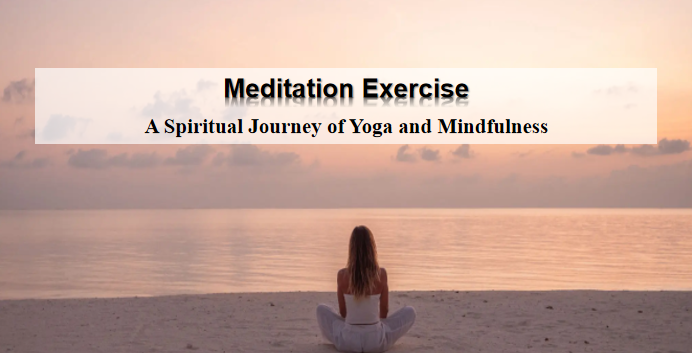
Meditation and Yoga: The Ultimate Guide to Mindfulness and Spiritual Growth
The pursuit of mental clarity and physical health has led millions to the ancient practices of yoga and meditation. While often viewed as separate activities, they are two sides of the same coin, working in tandem to harmonize the body and the spirit. In this guide, we delve deep into the mechanics of mindfulness and how you can harness these tools to navigate the stresses of the 21st century.
The Evolution of Meditation and Yoga Practice
Yoga and meditation are not merely modern fitness trends; they are foundational pillars of human consciousness development with roots stretching back over 5,000 years to the Indus-Sarasvati civilization in Northern India. Originally, the physical postures of yoga—known as asanas—were designed primarily to prepare the body for long periods of seated meditation.
The Philosophy of Connection
The word “Yoga” is derived from the Sanskrit root “Yuj,” meaning to join or to unite. This union refers to the connection between the individual self and the universal consciousness. Meditation, or “Dhyana,” is the seventh limb of the Eight Limbs of Yoga, representing the profound state of focused contemplation that leads to enlightenment. Understanding this historical context helps practitioners move beyond the physical “workout” and into a “work-in” mindset.

Core Pillars of Yoga and Spiritual Alignment
To build a successful practice, one must understand the various styles of yoga and how they influence the nervous system. Different techniques offer unique benefits, ranging from intense physical conditioning to deep restorative healing.
Choosing Your Path: Yoga Style Comparison
Not all yoga is created equal. Depending on your goals—whether they be stress relief, flexibility, or strength—certain styles will be more effective than others.
| Yoga Style | Primary Focus | Intensity Level |
|---|---|---|
| Hatha | Foundational poses and breathing | Low to Moderate |
| Vinyasa | Fluid movement and flow | Moderate to High |
| Yin | Deep connective tissue stretching | Low (Passive) |
| Ashtanga | Structured, rigorous sequences | High |
Integrating these styles requires an understanding of “Pranayama” or breath control. The breath acts as a bridge between the conscious and unconscious mind, allowing the practitioner to regulate their heart rate and cortisol levels during physical exertion.

Mastering Mindfulness and Meditation Techniques
Mindfulness is the psychological process of bringing one’s attention to experiences occurring in the present moment. While yoga uses the body to reach the mind, meditation works directly with the mind’s internal landscape.
The Science of Neuroplasticity
Modern neuroscience has confirmed that regular meditation can physically alter the brain’s structure. Studies using MRI scans show that consistent practice increases gray matter density in the hippocampus (associated with learning and memory) and decreases the size of the amygdala (the brain’s “fight or flight” center). This means meditation is a literal workout for your brain, making you more resilient to stress over time.
Expert Advice: The 5-Minute Entry Point
Many beginners fail because they attempt 30-minute sessions immediately. Experts recommend the “Micro-Habit” approach:
- Start with exactly five minutes of seated silence daily.
- Focus solely on the sensation of air entering and leaving your nostrils.
- When the mind wanders—and it will—simply acknowledge the thought and return to the breath without judgment.
- Increase the duration by only one minute per week.

Building a Sustainable Wellness Routine
Consistency is the most critical factor in achieving the spiritual and physical benefits of yoga and meditation. Creating a “sacred space” in your home, free from digital distractions, can significantly improve your success rate.
Technical Checklist for Daily Practice
Use this checklist to ensure your environment is optimized for a spiritual journey:
- Environment: Temperature-controlled room with minimal noise.
- Equipment: High-grip yoga mat and a firm meditation cushion (Zafu).
- Hydration: Drink 8oz of water before practice, but avoid heavy meals 2 hours prior.
- Timing: Early morning (Amrit Vela) is traditionally preferred for highest mental clarity.
By combining the physical discipline of yoga with the mental stillness of meditation, you create a comprehensive wellness framework that supports long-term mental health and emotional stability.
Frequently Asked Questions (FAQ)
- How long does it take to see results from meditation?
- While immediate relaxation can occur in one session, neurological changes typically begin to manifest after 8 weeks of consistent, daily practice for at least 10-15 minutes.
- Do I need to be flexible to start yoga?
- No. Saying you are too stiff for yoga is like saying you are too dirty to take a bath. Flexibility is a result of the practice, not a prerequisite for it.
- What is the difference between mindfulness and meditation?
- Meditation is the formal practice (the “gym”) where you sit to train the mind. Mindfulness is the quality of being present that you carry with you throughout the rest of your day.
- Can I practice yoga if I have physical injuries?
- Yes, but it is essential to practice Restorative or Chair Yoga and consult with a healthcare provider. Always inform your instructor of injuries so they can provide necessary modifications.
- Is yoga a religious practice?
- While yoga has spiritual roots in Hinduism and Buddhism, it is a universal technology for well-being. It does not require adherence to any specific religion or belief system.