The Ultimate Guide to Sports and Mental Health: From Youth Development to Elite Performance
The intersection of physical prowess and psychological fortitude defines the modern understanding of human health. For decades, the focus of sports science remained primarily on the biomechanical and physiological aspects of performance. However, a paradigm shift has occurred, recognizing that the mind is the primary engine behind every physical feat. From the playground to the Olympic stadium, the mental health of participants is as critical as their physical conditioning. This guide provides an exhaustive analysis of how sports influence the human psyche, the challenges inherent in competitive environments, and the strategies used to maintain a healthy mind-body equilibrium.
Understanding the Synergy Between Physical Activity and Mental Well-being
Physical exercise is more than just a method for burning calories or building muscle; it is a powerful neurobiological intervention. When we engage in sports, the brain undergoes a series of chemical transformations that directly impact mood, cognitive function, and stress resilience. The immediate release of endorphins, often referred to as the “runner’s high,” is only the surface of a much deeper biological process involving neurotransmitters like dopamine, serotonin, and norepinephrine.
The Neurochemistry of Movement
Engaging in regular physical activity stimulates the production of Brain-Derived Neurotrophic Factor (BDNF). This protein acts like fertilizer for the brain, supporting the survival of existing neurons and encouraging the growth of new ones. This process, known as neurogenesis, is particularly active in the hippocampus—the region of the brain responsible for memory and emotional regulation. By fostering a healthy hippocampal environment, sports provide a natural defense against depressive symptoms and cognitive decline.
- Dopamine Regulation: Sports provide a structured way to trigger the reward system, helping individuals maintain motivation and focus.
- Cortisol Management: While acute exercise raises cortisol, regular training teaches the body to recover more efficiently, leading to lower baseline stress levels.
- Serotonin Boost: Aerobic activities are known to increase serotonin levels, which are crucial for stabilizing mood and promoting healthy sleep patterns.

The Critical Role of Mental Health in Youth Sports
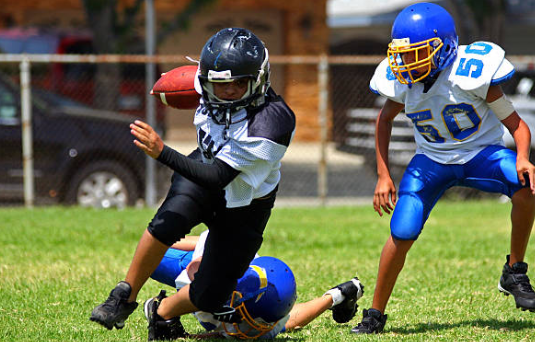
For children and adolescents, sports serve as a vital laboratory for social and emotional development. However, the culture of “winning at all costs” can often overshadow the developmental benefits, leading to significant psychological costs. Ignoring the mental well-being of young athletes can result in burnout, anxiety disorders, and a permanent distaste for physical activity.
Cultivating a Resilient Mindset
Resilience is not an innate trait but a skill developed through managed adversity. Youth sports offer the perfect environment to practice this. When coaches and parents prioritize “effort” over “outcome,” they help children develop a growth mindset. This perspective allows young athletes to view failures as learning opportunities rather than personal indictments.
The Cost of High-Pressure Environments
When the pressure to perform becomes external and overwhelming, the “cost of ignoring mental health” becomes apparent. Signs of psychological distress in youth athletes include:
- Social Withdrawal: Losing interest in teammates and social activities.
- Performance Plateau: A sudden drop in skill execution despite continued practice.
- Physical Manifestations: Frequent complaints of stomach aches or headaches before competitions.

Navigating Performance Anxiety and Competitive Stress
Competition naturally breeds tension. Whether it is a local league game or a national championship, the fear of failure can paralyze even the most talented athletes. Cracking the code of competition anxiety involves understanding the difference between “arousal” and “anxiety.” Arousal is the physiological readiness to perform, while anxiety is the negative cognitive appraisal of that state.
Techniques for Emotional Regulation
Top-tier athletes utilize specific psychological tools to transform nervous energy into focused performance. These strategies are applicable to anyone facing high-stress situations:
- Visualization: Mentally rehearsing the perfect execution of a task to build neural pathways and confidence.
- Breathwork: Utilizing diaphragmatic breathing to activate the parasympathetic nervous system, lowering the heart rate during moments of peak tension.
- Self-Talk: Replacing “I can’t fail” with “I am prepared for this challenge.”

Elite Performance: How Professional Athletes Balance Mind and Body
Elite athletes operate in an environment of constant scrutiny and extreme physical demand. Maintaining balance in such a setting requires a sophisticated approach to mental hygiene. The modern elite athlete does not just train their body; they train their “inner game.”
The Importance of Mindful Recovery
Recovery is not just physical rest; it is mental decompression. Stress management for professionals often involves mindfulness-based stress reduction (MBSR). By staying present and observing thoughts without judgment, athletes can prevent the “spiral” of negative thinking that often follows a loss or injury. This balance ensures that their identity is not solely tied to their athletic performance, which is a key factor in long-term mental stability.

Exercise Across the Lifespan: From Pregnancy to Senior Wellness
The relationship between exercise and mental health evolves as we age. Different life stages present unique psychological challenges that physical activity is uniquely positioned to address.
Pregnancy and Maternal Well-being
Exercise during pregnancy is no longer viewed with caution but as a vital tool for maternal mental health. Gentle to moderate activity helps regulate the hormonal fluctuations that can lead to prenatal and postpartum depression. It provides a sense of agency and physical competence during a time of immense bodily change.
Age-Specific Benefits
| Age Group | Primary Mental Health Benefit | Recommended Activity Type |
|---|---|---|
| Adolescents | Self-esteem and social integration | Team sports and group classes |
| Young Adults | Stress reduction and work-life balance | High-intensity interval training (HIIT) |
| Middle Age | Cognitive preservation and mood stability | Consistent aerobic exercise (running, swimming) |
| Seniors | Prevention of isolation and dementia | Low-impact activities (Yoga, Tai Chi, Walking) |

The Psychology of Extreme Sports: Pushing the Limits of the Self
Extreme sports enthusiasts seek out environments that most would find terrifying. The psychological code of the extreme athlete is built on a different relationship with fear. For these individuals, the “flow state”—a period of total immersion and focused energy—is the ultimate goal.
Breaking Through the Psychological Code
In extreme sports, the margin for error is slim. This necessitates a level of mental clarity and “present-moment awareness” that is rarely achieved in daily life. Participants often report a sense of transcendence, where the ego disappears, and they become one with the activity. This can be a powerful therapeutic tool for those struggling with trauma or chronic boredom, as it forces a complete reset of the nervous system.

Socialization and Integration: Healing Loneliness Through Sports
One of the most profound psychological transformations occurs during the transition from loneliness to integration. Sports socialization is a powerful antidote to the modern epidemic of isolation. The “team” environment provides a ready-made support system and a sense of belonging.
The Mechanism of Connection
When individuals participate in group sports, they engage in synchronous movement. Research suggests that moving in time with others releases higher levels of endorphins than individual exercise. This “collective effervescence” builds trust and social bonds rapidly. For individuals transitioning from difficult life phases or relocating to new environments, sports clubs act as a bridge to community integration.

Maintaining Equilibrium: Addressing Sports Addiction and Compulsion
While the benefits of exercise are vast, there is a “dark side” when the pursuit of fitness becomes an obsession. Sports addiction, or exercise dependency, occurs when the drive to work out interferes with daily life, relationships, and health.
Recognizing the Warning Signs
Maintaining balance requires an honest assessment of one’s relationship with exercise. Addiction is often characterized by:
- Tolerance: Needing increasing amounts of exercise to achieve the same mental “high.”
- Withdrawal: Experiencing irritability, anxiety, or insomnia when unable to work out.
- Conflict: Prioritizing exercise over family, work, or recovery from injury.
True mental health in sports means having the wisdom to rest. A sustainable relationship with physical activity recognizes that the body and mind require periods of stillness to integrate the gains made during exertion.

Conclusion: Implementing a Holistic Mental-Physical Strategy
The journey toward mental wellness through sports is not a linear path but a continuous process of adjustment and self-awareness. By understanding the neurochemical benefits, managing competitive pressures, and respecting the need for social connection and recovery, athletes of all levels can harness the power of movement to build a more resilient and fulfilled life. Whether you are a parent supporting a young athlete or an individual seeking to overcome personal challenges, the arena of sports offers a unique and powerful venue for psychological growth.
Frequently Asked Questions (FAQ)
- Q1: How exactly does sports help with youth mental health?
- Sports help youth by providing a structured environment to develop social skills, emotional regulation, and resilience. It boosts self-esteem through skill mastery and provides a healthy outlet for stress, reducing the risk of depression and anxiety during critical developmental years.
- Q2: What are the primary signs of sports or exercise addiction?
- The primary signs include exercising despite injury or illness, feeling intense guilt when missing a session, and allowing exercise to negatively impact social life or career responsibilities. It often stems from a need for control or an unhealthy coping mechanism for underlying emotional issues.
- Q3: Is it safe to exercise for mental health during pregnancy?
- Yes, in most cases, moderate exercise is highly beneficial. it helps stabilize mood, improves sleep, and reduces the risk of prenatal depression. However, it is essential to consult with a healthcare provider to tailor an activity plan that is safe for both the mother and the baby.
- Q4: How do elite athletes manage the extreme pressure of competition?
- Elite athletes use a combination of psychological techniques, including visualization, mindfulness, and cognitive reframing. Many work with sports psychologists to separate their personal self-worth from their athletic performance, ensuring long-term mental stability.
- Q5: Can team sports really help with social isolation?
- Absolutely. Team sports foster a sense of belonging and shared purpose. The act of working toward a common goal and the “synchronous movement” involved in many sports release chemicals that promote social bonding and trust, making it an effective remedy for loneliness.