The Ultimate Guide to New Balance Running Shoes: FuelCell, Fresh Foam, and ABZORB Technologies Explained
The landscape of modern running has been completely revolutionized by advancements in midsole foam technologies and biomechanical engineering. Among the top-tier athletic brands driving this revolution, New Balance stands out with a multi-tiered approach to running shoe design. By categorizing their footwear into distinct technological silos—specifically FuelCell for speed, Fresh Foam for maximum comfort, and ABZORB for foundational shock absorption—New Balance has created a highly specialized ecosystem of running shoes tailored to every type of runner.
This comprehensive pillar page serves as your master guide to understanding the intricate mechanisms behind New Balance’s proprietary technologies. We will dissect the chemical and structural advantages of their foams, analyze classic and modern shoe models like the 1080v6, and provide an exhaustive comparative analysis between the flagship SuperComp Elite v4 and the highly versatile Rebel v4. Whether you are a marathon veteran looking to shave minutes off your personal best or a daily jogger seeking joint protection, understanding these technologies is the first step toward optimizing your running efficiency.
The Evolution of New Balance Running Technologies
To truly appreciate the current state of New Balance running shoes, one must understand the evolutionary timeline of their midsole cushioning systems. For decades, the running shoe industry relied heavily on standard EVA (Ethylene-Vinyl Acetate) foams. While reliable, traditional EVA suffered from a lack of dynamic energy return and tended to compress and lose its bounce over high mileage.
From Traditional EVA to Supercritical Foams
New Balance recognized the limitations of standard EVA early on, prompting a massive shift in their research and development focus. The transition began with the introduction of proprietary blends designed to enhance durability and shock absorption, leading to the creation of the ABZORB technology. However, as the industry shifted toward the “super shoe” era—characterized by massive stack heights and carbon fiber plates—New Balance engineered supercritical foams.
Supercritical foaming involves injecting a gas (usually nitrogen or carbon dioxide) into the foam block under extreme heat and pressure. This process creates millions of microscopic, uniform bubbles within the material. The result is a midsole that is radically lighter, exponentially more responsive, and vastly softer than any traditional EVA. This scientific breakthrough paved the way for the modern FuelCell and Fresh Foam X lineups, permanently altering the biomechanical efficiency of runners worldwide.
FuelCell Technology: The Engine for Speed and Efficiency
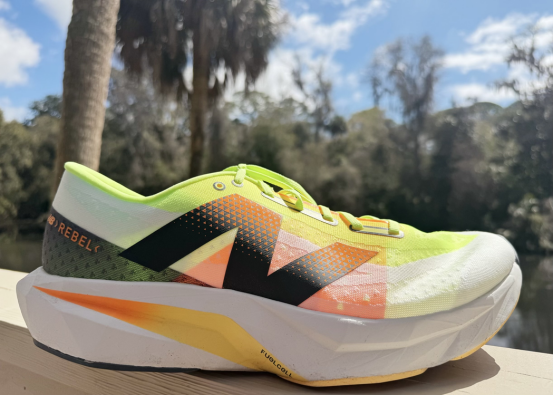
At the absolute pinnacle of New Balance’s speed-focused engineering sits the FuelCell technology. Designed with a singular goal—propulsion—FuelCell is the highest rebound foam currently produced by the brand. It is engineered to minimize energy loss during the foot strike, effectively returning a significant percentage of the runner’s kinetic energy back into their stride.
Chemical Composition and Biomechanical Advantages
Modern FuelCell is typically a blend of EVA and PEBA (Polyether Block Amide), or in the case of their elite racing shoes, 100% PEBA. PEBA is an ultra-lightweight thermoplastic elastomer that provides an unparalleled combination of extreme compliance (softness) and high resilience (bounce). When a runner lands, the FuelCell foam compresses deeply to absorb the impact forces. Instantly, the elastomer chains snap back to their original shape, creating a trampoline-like effect that physically pushes the runner forward.
- Increased Cadence: The rapid expansion of the foam reduces ground contact time, allowing runners to maintain a higher, more efficient cadence.
- Reduced Muscle Fatigue: Because the foam absorbs the brunt of the eccentric loading forces, the calf muscles and quadriceps experience significantly less micro-tearing over long distances.
- Optimized Energy Economy: By returning more energy per stride, runners consume less oxygen at a given pace, directly improving their running economy and delaying the onset of the lactic threshold.
Deep Dive: FuelCell Rebel v4 vs. SuperComp Elite v4
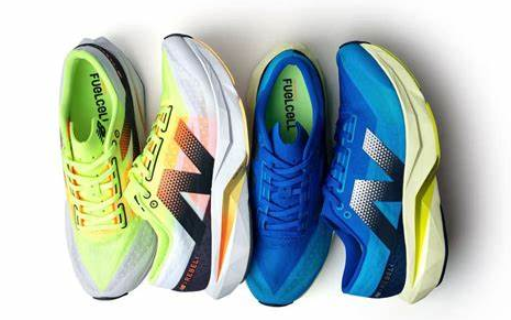
The true power of the FuelCell lineup is best understood by comparing its two flagship models: the SuperComp (SC) Elite v4, built for race day, and the Rebel v4, built for daily tempo training. Together, they form what many running experts consider the ultimate “shoe rotation” for serious athletes.
SuperComp Elite v4: The Ultimate Marathon Racer
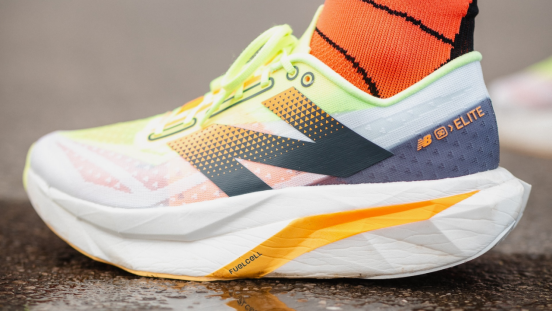
The SC Elite v4 represents the zenith of New Balance’s marathon racing technology. It features a massive stack of 100% PEBA FuelCell foam paired with the Energy Arc system—a uniquely cambered, full-length carbon fiber plate sandwiched between two layers of foam, featuring a deep central void. As the runner lands, the carbon plate flattens into the void, storing mechanical energy. Upon toe-off, the plate aggressively snaps back into its arched shape, acting as a powerful lever that propels the runner forward.
FuelCell Rebel v4: The Lightweight Training Companion
Conversely, the Rebel v4 is a plateless, lightweight trainer designed to handle everything from easy miles to aggressive track intervals. It utilizes a PEBA/EVA blended FuelCell midsole. The absence of a carbon plate makes the Rebel v4 significantly more flexible, allowing the foot to move naturally. This builds intrinsic foot and lower leg strength, which is crucial for injury prevention.
Comparative Analysis Table
| Feature | SuperComp Elite v4 | FuelCell Rebel v4 |
|---|---|---|
| Primary Purpose | Race Day (Half to Full Marathon) | Daily Training, Tempo Runs, Intervals |
| Midsole Material | 100% PEBA FuelCell | PEBA / EVA Blend FuelCell |
| Propulsion Tech | Energy Arc (Carbon Fiber Plate) | None (Plateless for natural flexibility) |
| Ride Dynamics | Aggressive, stiff, highly propulsive | Soft, flexible, agile, and natural |
| Durability | Optimized for peak performance (200-300 miles) | High durability for daily abuse (300-400+ miles) |
The synergy between these two shoes is undeniable. Training in the Rebel v4 builds the muscular strength and aerobic capacity needed for long-distance running, while switching to the SC Elite v4 on race day provides a massive mechanical advantage, translating all that hard training into a new personal best.
Fresh Foam Technology: Supreme Comfort and the 1080 Series
While FuelCell is dedicated to speed, New Balance’s Fresh Foam technology is singularly focused on delivering a supremely plush, protective, and smooth running experience. Fresh Foam is engineered using 3D motion capture data from thousands of runners, allowing designers to map exactly where the foot needs the most cushioning and support during the gait cycle.
The Geometry of Comfort
The secret to Fresh Foam lies in its geometric shapes. The midsole features convex and concave hexagonal structures mapped across the lateral and medial sides of the shoe. The concave shapes compress easily to absorb impact on the lateral edge (where most runners strike), while the convex shapes on the medial edge resist compression, providing subtle, inherent stability without the need for rigid medial posts.
Case Study: The Fresh Foam 1080v6 and Its Legacy
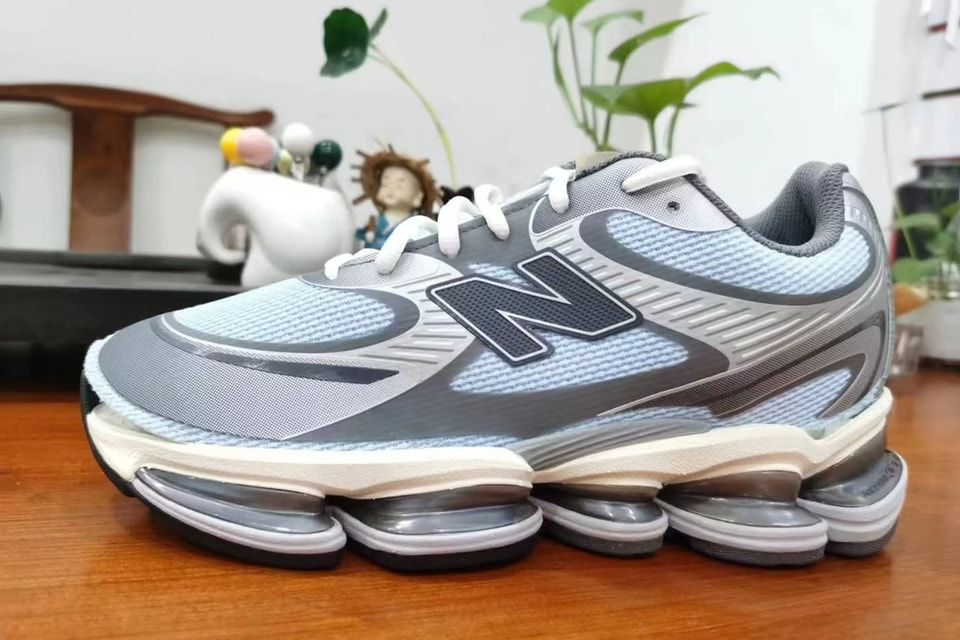
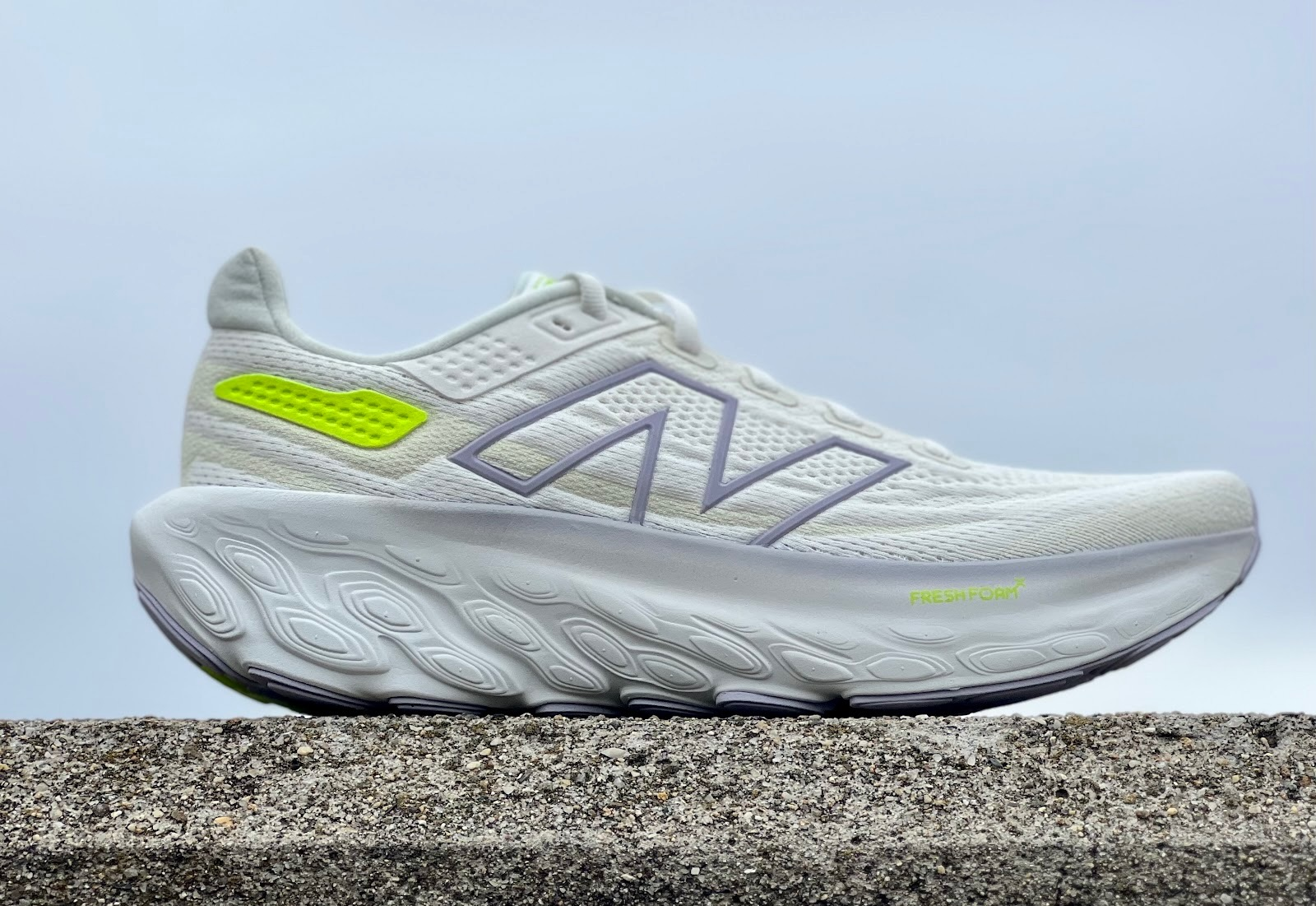
The Fresh Foam 1080 series is the undisputed king of New Balance’s max-cushion lineup. Looking back at the Fresh Foam 1080v6 is crucial, as it was a turning point that changed how runners perceived high-stack comfort shoes. Prior to this model, maximum cushioning often meant heavy, clunky, and unresponsive shoes. The 1080v6 introduced a refined, data-driven Fresh Foam midsole that maintained an incredibly plush feel while drastically reducing the overall weight.
The 1080v6 featured a generous toe box, a plush engineered mesh upper, and an Ortholite sockliner that worked in tandem with the Fresh Foam midsole to eliminate hot spots and blistering. It proved that runners did not have to sacrifice a smooth heel-to-toe transition in the name of joint protection. Today, the modern iterations of the 1080 continue to build upon this legacy, utilizing the even softer and lighter Fresh Foam X compound to deliver the ultimate recovery day experience.
ABZORB Cushioning: The Evergreen Industry Standard
In an era dominated by nitrogen-infused super foams, one might wonder why New Balance continues to utilize its classic ABZORB technology. The answer lies in its unmatched durability, structural integrity, and exceptional shock-dissipating properties. ABZORB has solidified its status as an evergreen technology in the running shoe industry, bridging the gap between high-performance athletic wear and premium lifestyle footwear.
The Science of Isoprene Rubber Blends
Unlike standard EVA foams that rely strictly on trapped air for cushioning, ABZORB is a proprietary blend of foam and DuPont Engage Isoprene rubber. This unique chemical composition gives ABZORB a distinct advantage: compression set resistance. Over hundreds of miles, traditional foams flatten out and lose their ability to protect the joints. ABZORB’s rubberized nature allows it to retain its original shape and cellular structure far longer than almost any other cushioning material on the market.
Why ABZORB Remains Relevant
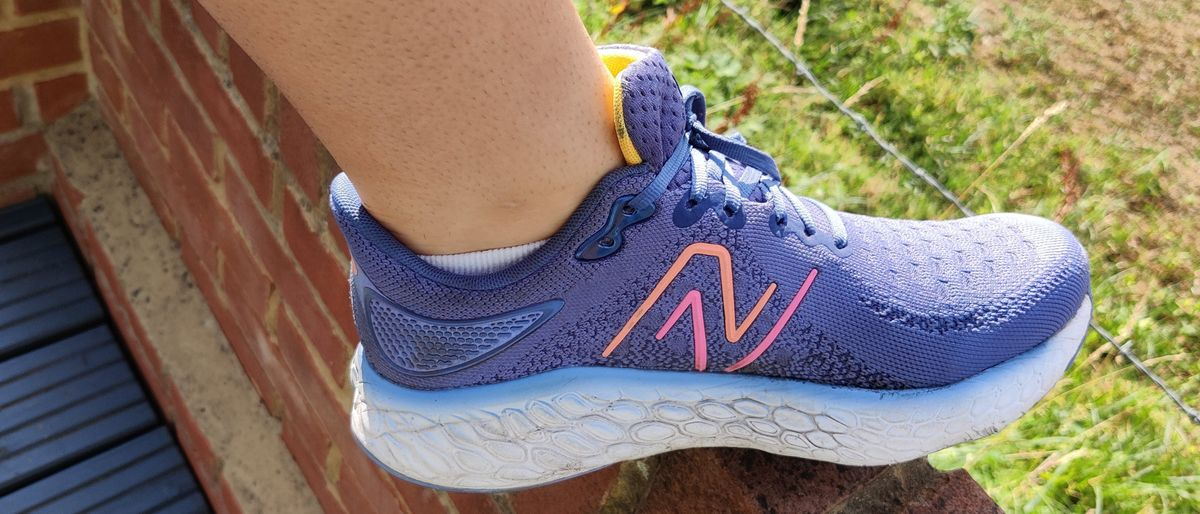
- Targeted Shock Absorption: While FuelCell acts like a spring, ABZORB acts like a premium shock absorber. It is specifically designed to dissipate the harsh impact forces of heel striking before they can travel up the kinetic chain into the knees and hips.
- Inherent Stability: The slightly firmer nature of ABZORB makes it an excellent foundational material for stability shoes. It prevents the foot from rolling inward (overpronation) too aggressively, providing a secure, planted feel.
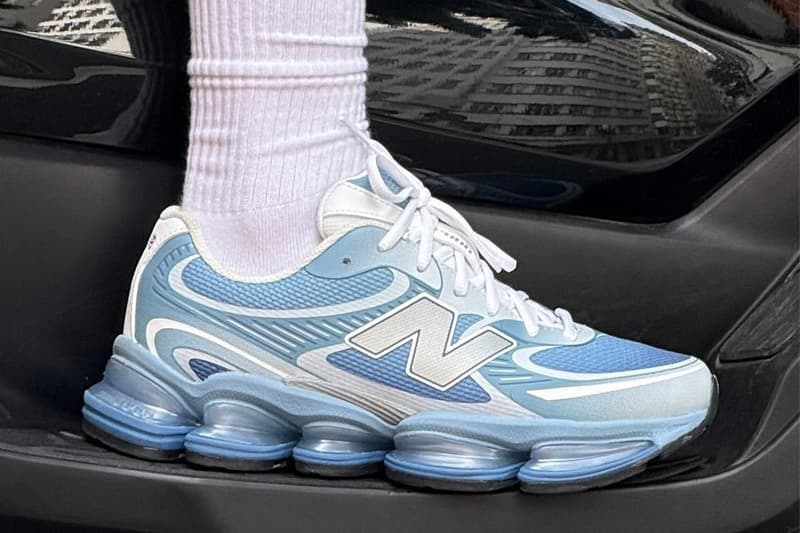
- Lifestyle and Heritage Dominance: ABZORB is the beating heart of New Balance’s legendary 990 series and other heritage models. Its all-day comfort and rugged durability make it the perfect technology for individuals who spend long hours on their feet, proving that top-tier running tech has massive applications outside of competitive racing.
Building the Perfect New Balance Shoe Rotation
Maximizing your running potential and minimizing your risk of injury requires more than just one good pair of shoes. Sports podiatrists and elite coaches universally recommend building a “shoe rotation”—alternating between different shoes based on the specific demands of the day’s workout. Utilizing New Balance’s diverse technological portfolio allows you to build a perfectly balanced, three-shoe rotation.
The Three-Pillar Rotation Strategy
To construct a highly effective rotation using the models we have analyzed, you must assign a specific job to each shoe. This prevents premature wear and tear on the foam and ensures your foot muscles are constantly adapting to different geometries.
1. The Daily Trainer / Recovery Shoe (Fresh Foam 1080 series): This is the workhorse of your rotation. You will use the 1080 for 70% to 80% of your weekly mileage. The plush Fresh Foam X absorbs the daily pounding of easy aerobic runs and long, slow distance (LSD) efforts, keeping your legs fresh for harder workouts.
2. The Tempo / Speedwork Shoe (FuelCell Rebel v4): When it is time to hit the track for 400-meter repeats or execute a sustained tempo run at threshold pace, the Rebel v4 is the weapon of choice. Its lightweight PEBA/EVA blend provides the necessary snap and agility without relying on a stiff carbon plate, ensuring your feet do the work to build strength.
3. The Race Day Specialist (SuperComp Elite v4): This shoe stays in the closet for most of the week. You bring out the SC Elite v4 for key race-pace simulation long runs and actual race days. The combination of 100% PEBA FuelCell and the Energy Arc carbon plate will provide maximum running economy when you need to sustain your fastest paces over 13.1 or 26.2 miles.
The Future of Running Shoe Innovation
As we look to the horizon, New Balance shows no signs of slowing down its aggressive research and development cycle. The continuous refinement of FuelCell, Fresh Foam, and ABZORB sets a high benchmark for the industry. The next frontier of running shoe innovation is heavily focused on sustainability and algorithmic design.
Sustainability Meets High Performance
Historically, high-performance foams and carbon plates have been notoriously difficult to recycle. New Balance is pioneering new manufacturing techniques aimed at reducing the carbon footprint of their footwear. This includes integrating bio-based materials into their Fresh Foam compounds and exploring highly durable, recyclable upper materials that do not compromise breathability or lockdown.
Algorithmic and Generative Design
Future iterations of these shoes will increasingly rely on AI-driven generative design. By feeding millions of biomechanical data points into advanced algorithms, New Balance engineers can create midsole geometries that are customized down to the millimeter. This means future versions of the Rebel or the 1080 could feature outsoles and foam densities that are perfectly optimized for specific weight classes, foot strikes, and even specific race distances, further blurring the line between human performance and technological augmentation.
Frequently Asked Questions (FAQ)
- What is the main difference between New Balance FuelCell and Fresh Foam?
- The primary difference lies in their intended purpose and energy return. FuelCell is a high-rebound, highly propulsive foam designed for speed, efficiency, and fast paces. Fresh Foam (and Fresh Foam X) is engineered for maximum plushness, shock absorption, and smooth transitions, making it ideal for daily training and recovery runs.
- Does the FuelCell Rebel v4 have a carbon plate?
- No, the FuelCell Rebel v4 does not feature a carbon plate. It is a lightweight, flexible tempo and daily training shoe. Its lack of a plate allows for a more natural foot motion, making it an excellent companion shoe to plated racers like the SuperComp Elite v4.
- Why is ABZORB technology still used in modern New Balance shoes?
- ABZORB remains heavily utilized because of its exceptional durability and compression set resistance. Thanks to its DuPont Engage Isoprene rubber blend, ABZORB does not flatten out as quickly as standard EVA, providing long-lasting shock absorption and inherent stability, which is highly valued in both stability running shoes and premium lifestyle models.
- Is the Fresh Foam 1080 series good for marathons?
- Yes, the Fresh Foam 1080 series is excellent for marathon running, particularly for runners whose primary goal is to finish the race comfortably rather than setting a speed record. Its maximum cushioning protects the joints over 26.2 miles. However, runners looking for maximum speed and energy return usually opt for the SuperComp Elite v4 for race day.
- How many miles can I expect to get out of the SuperComp Elite v4?
- As a high-performance racing shoe utilizing a 100% PEBA foam and a carbon plate, the SuperComp Elite v4 is optimized for peak energy return rather than maximum longevity. Most runners can expect peak performance for about 200 to 250 miles, after which the foam may begin to lose some of its explosive mechanical bounce, though it can still be used for training runs thereafter.